
Tonsillectomy for IgA Nephropathy
Why Patients Should Not Wait Quietly for the System to Catch Up

What This Blog Covers
• Why tonsillectomy for IgA Nephropathy deserves passionate patient advocacy and research attention in North America.
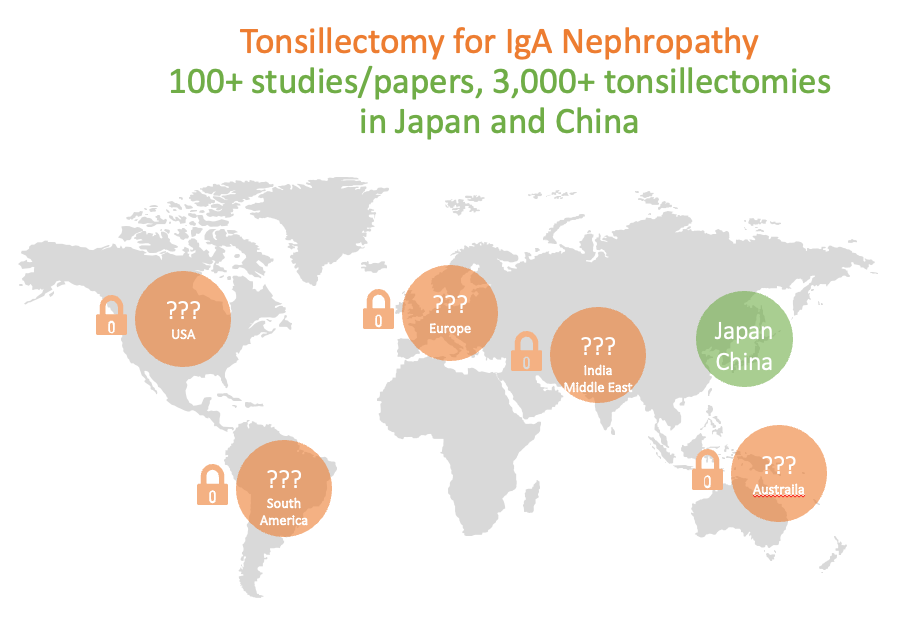
• Tonsillectomy for IgAN is common and often effective adjunct therapy in Japan and China, but isn’t practiced in the U.S. and most Western countries.
• What the research says, including supportive studies, skeptical studies, proposed mechanisms, and unanswered questions.
• Why IgAN patients need to understand the current treatment landscape, newer IgAN drugs, contemplate modern therapies like SGLT2 inhibitors for long-term renoprotection, possible broad GLP-1 benefits, and mitochondrial/oxidative-stress support strategies such as alpha lipoic acid.
• A practical research proposal for the Crowd Scale Catalyst community to activate: find a large nephrology practice with a historical record of hundreds of IgAN patients and look for a signal among those who ever had a tonsillectomy, especially after diagnosis for ordinary ENT reasons.
• Why this matters: even a small change in disease trajectory could buy years of kidney function, delay dialysis or transplant, and create time for future breakthroughs. IgAN may exist somewhere in your extended family, workplace, school, church, or social network, and someone may need this information now.
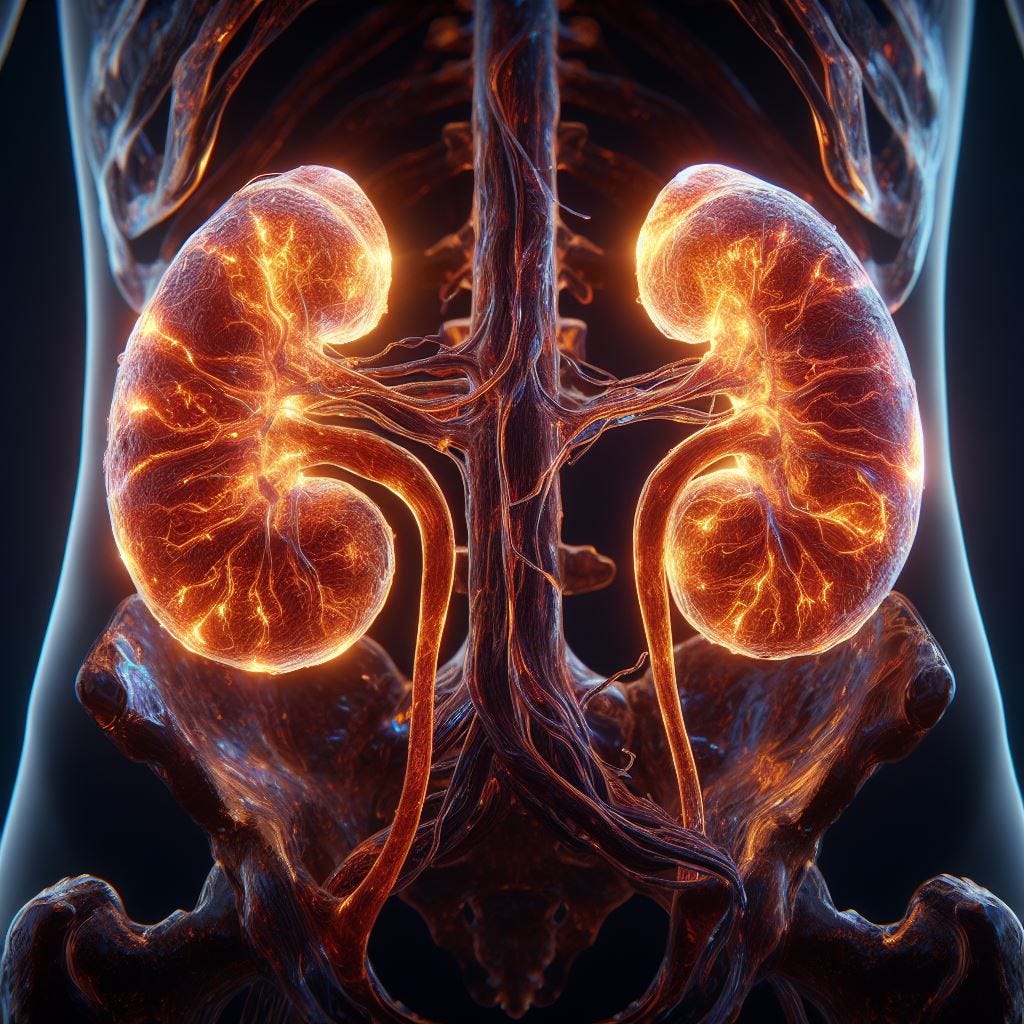
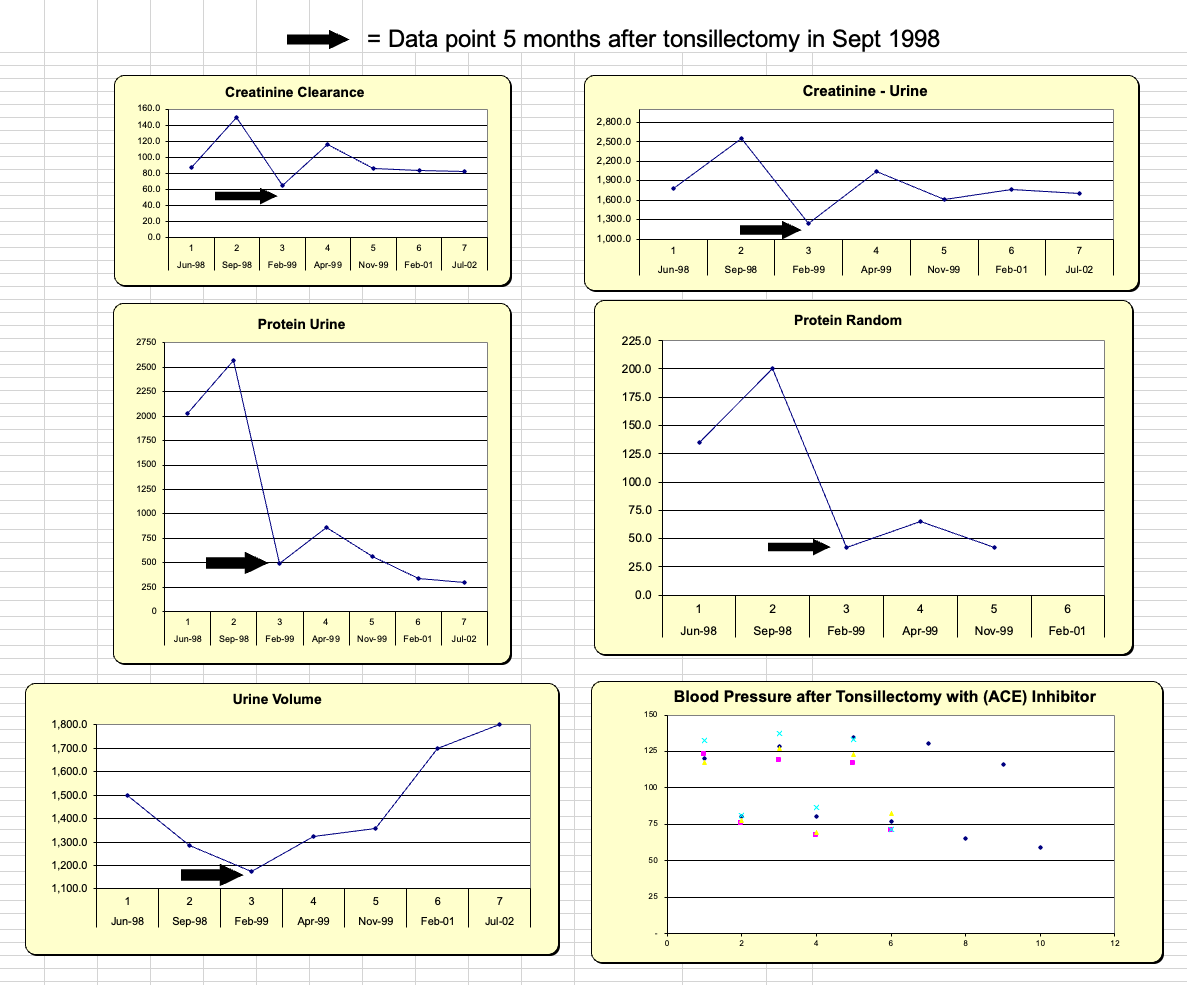
My own history is the reason I care so much. I was diagnosed in 1997 with IgAN, severe urinary findings, and a grim long-term prognosis - likely requiring a kidney transplant in my 30’s. Using the nascent world wide web, I found substantial overseas literature where hundreds of patients found remission was possible with tonsillectomy near to the initial diagnosis and substantially improved outcomes at anytime - even late the disease progression. I inquired softly and respectfully and when that failed pushed hard. My tonsils removed within a year of diagnosis. I also controlled blood pressure, adjusted diet and lifestyle, and stayed vigilant. More than two decades later, I remain in clinical remission with well preserved kidney function. That does not prove tonsillectomy cured me. It does prove that one patient’s trajectory can change in ways that matter for decades.
IgA Nephropathy can smolder for years, then quietly steal kidney function that results in a future that becomes smaller. Every year of preserved filtration matters. Every reduction in proteinuria matters. Every avoided acceleration toward dialysis matters. Most people never receive donor kidneys and for that that do the organs have have an expiration date in the 7-15+ year range. For a patient (n=1), bending the survival curve is crucial. It can mean buying enough time for new drugs, regenerative medicine, xenotransplantation, and advances the next wave of AI-driven biotechnology delivers.
Tonsillectomy is certainly not settled science or obtainable for every person with IgAN. I am writing because the global record is too large to ignore, the Western evidence gap is too convenient to hide behind, and patients need to know enough to press the question with their own nephrologists. In Japan and China, tonsillectomy, often combined with steroid pulse therapy, is often a frontline therapy and also as adjunct treatment for IgAN. In the United States and Europe, it seems to be unobtanium. It doesn’t have to be that way if we surface a strong signal in existing medical records across North America.
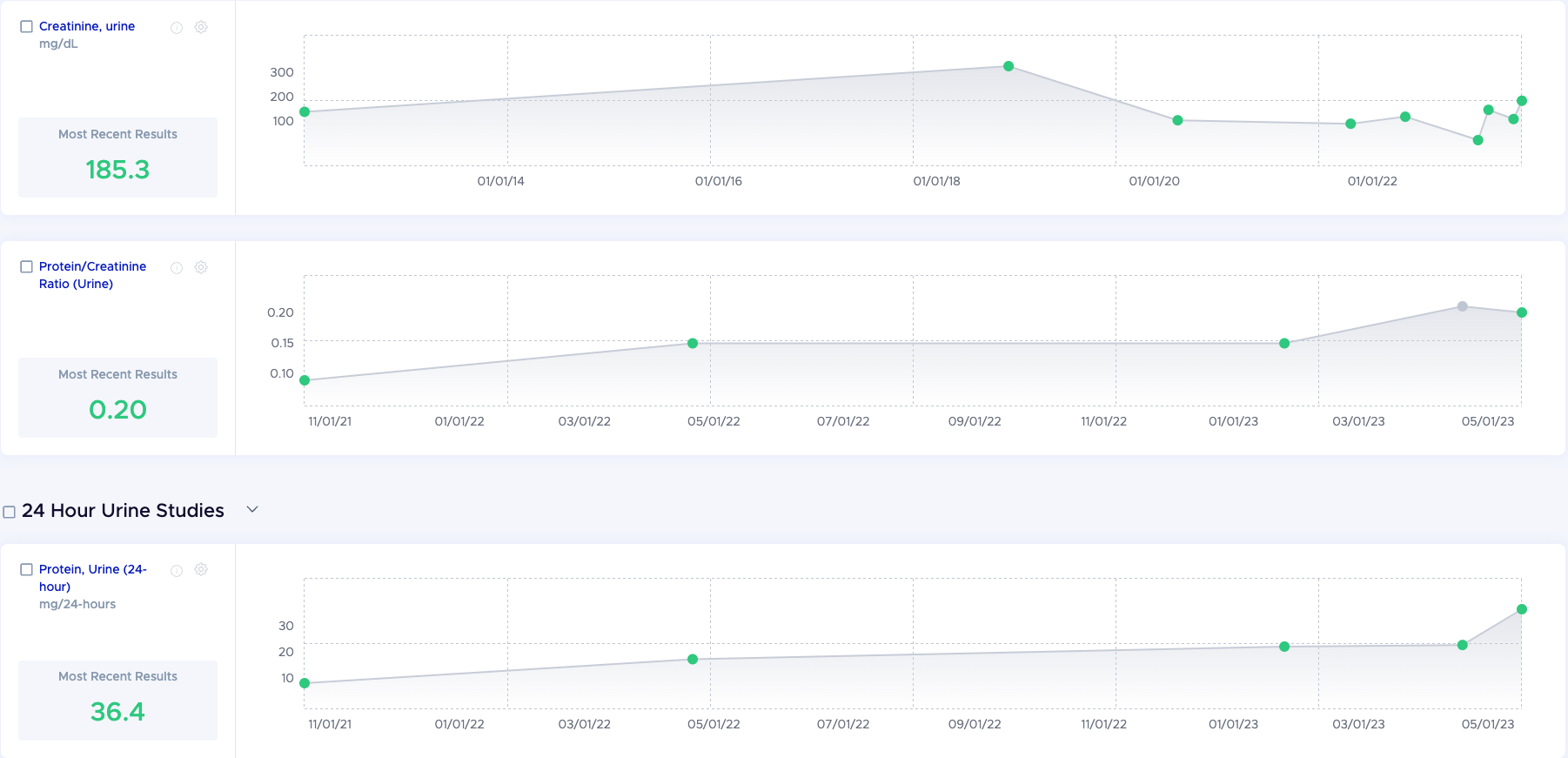
Here are my results before and after tonsillectomy nearly three decades ago.
The current treatment era is changing fast
Modern IgAN care is no longer limited to watchful waiting, blood pressure control, and periodic debates about steroids. Supportive care still matters. ACE inhibitors or ARBs, blood pressure control, proteinuria reduction, salt management, exercise, smoking avoidance, and careful risk tracking remain foundational. KDIGO’s 2025 IgAN guidance now reflects a much more active treatment landscape, including ACE inhibitors or ARBs, targeted-release budesonide, sparsentan, and SGLT2 inhibitors.
Patients should learn these names because the conversation has changed: targeted-release budesonide, sparsentan, SGLT2 inhibitors such as dapagliflozin or empagliflozin, endothelin-pathway drugs such as atrasentan, complement-pathway drugs such as iptacopan, and newer immune-targeted drugs such as sibeprenlimab. These drugs do different things. Some target immune injury more directly. Some reduce proteinuria and kidney stress. Some have accelerated approval based on proteinuria while long-term kidney-function data continue to mature.
We also need to understand adjacent and off-target possibilities. SGLT2 inhibitors have become one of the most important long-term kidney-protection tools in chronic kidney disease, including IgAN subgroups. GLP-1 receptor agonists, especially semaglutide, have kidney-outcome evidence in type 2 diabetes with CKD, and may have relevant anti-inflammatory, metabolic, cardiovascular, and weight-related benefits for selected patients. Fish Oil may offer mild benefits and Alpha lipoic acid’s role in oxidative stress and mitochondrial biology mark it as an potentially supportive supplement. These are discussions to get smart on and bring to your clinician. You may need to ask them to drop the topics into Open Evidence which is the leading clinical AI tool for physicians. The point is that IgAN patients should no longer be passive recipients of outdated and possibly detrimental therapeutic momentum.
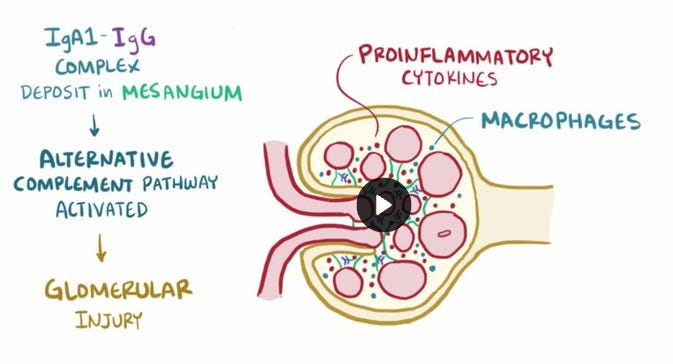
Click below for an amazing 7-minute video explainer for how IgAN damages the kidneys
The provided explainer video is an excellent resource for those looking to understand IgA Nephropathy. It offers a succinct and accessible overview, ideal for patients and others interested in a quick refresher on the disease’s mechanisms. To facilitate a deeper understanding, I have integrated the video for direct viewing rather than distilling the wide array of detailed research papers and organizational publications. Provided to us by open.osmosis.org’s medical training videos (CCY4.0)
Why tonsillectomy still belongs in the conversation
The tonsillectomy question sits at the intersection of mucosal immunity, kidney inflammation, ethnicity, timing, and medical culture. IgAN is often discussed through the multi-hit model: production of galactose-deficient IgA1, antibodies against it, immune-complex formation, and glomerular deposition and injury. Tonsils are not the entire mucosal immune system, and they are not the whole disease. But in some patients, the tonsils may be one important trigger point in a repeating immune loop.
The strongest supportive research comes largely from Asia. Moriyama et al. reviewed 1,147 biopsy-confirmed IgAN patients at Tokyo Women’s Medical University, including 282 who underwent tonsillectomy at some point and 192 within one year of diagnosis. The most dramatic unadjusted survival curves suggested large differences in long-term renal survival in certain higher-risk groups, although propensity matching narrowed the gap. Their conclusion still matters: tonsillectomy, including when used early, was associated with less progression to ESKD in selected patients, especially in higher-proteinuria groups (Moriyama et al., 2020).
Li et al. reviewed 452 IgAN patients in China, including 226 who had tonsillectomy, and reported favorable effects on clinical remission and delayed renal deterioration, including in some patients with higher proteinuria and more severe pathologic damage (Li et al., 2022). Yang et al. conducted a randomized trial of 98 biopsy-proven patients and reported much higher hematuria remission with tonsillectomy plus drug therapy than with drug therapy alone (Yang et al., 2016).
Hirano et al. found tonsillectomy associated with reduced primary outcomes and fewer additional therapies after biopsy in a matched analysis (Hirano et al., 2019). Liu et al. pooled 14 studies and 1,794 patients, finding higher odds of clinical remission and lower odds of ESRD with tonsillectomy, either as adjunct or independent therapy (Liu et al., 2015).
Patient use cases that should be discussed now
I am not arguing that every IgAN patient should demand surgery. I am arguing that certain patients deserve a serious, documented conversation with a nephrologist and, when appropriate, an ENT specialist.
People of Asian descent living in Western countries where tonsillectomy for IgAN is rarely offered.
IgAN patients who also have recurrent tonsillitis, chronic tonsillar inflammation, or ordinary ENT indications for tonsillectomy.
Newly diagnosed biopsy-confirmed patients who are still early enough that trajectory may be more modifiable.
Existing patients with persistent hematuria or proteinuria despite best available modern care.
Patients with recurrent IgAN after transplant, where the stakes are extreme and the literature includes case reports of life changing results.
The burden should not be on isolated patients to rediscover this literature one desperate night at a time. Patients should be able to ask: Have you reviewed the Asian data? Have you reviewed the small Western studies? Do I have tonsillar disease? Does my ethnicity, timing, proteinuria, hematuria pattern, or flare pattern make this worth discussing? Would you document why this is or is not appropriate in my case?
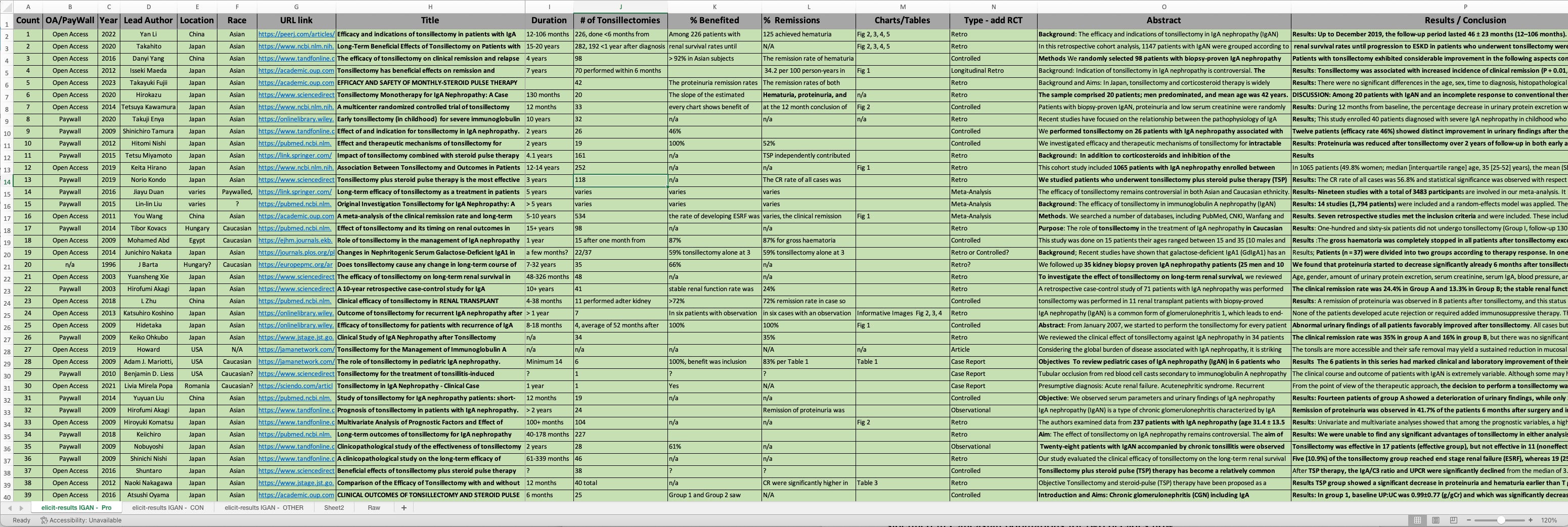
The research scorecard currently stands at 46 papers “for” Tonsillectomy (in combination with standard therapies) vs 6 or more “against”
I’ve summarized the freely available information in the abstracts and conclusions to facilitate easy review. Documented are over 3,000 tonsillectomies in persons with IgA Nephropathy in freely available research papers. Where possible I include – remission rates, curated study methods, conclusions, and mechanistic highlights so you can quickly scan through and selectively immerse into papers that catch your interest.
The endeavor respects the rigorous work behind each study and seeks to unify efforts toward better care for all demographics, acknowledging that the debate within the research community is still active and ongoing.
Efficacy of tonsillectomy for IgA Nephropathy in - “caucasian” populations
While robust data on tonsillectomy for IgA Nephropathy in Caucasian groups is limited in the U.S., case studies in Europe, Canada, South America, India, the Middle East, Africa, Australia, international clinicians from Hungary, Egypt, and Romania advance our our understanding in this area.
2014 Hungary, Tibor Kovacs looked at 98 patients with Tonsillectomy. The mean renal survival time was significantly longer for both endpoints between those patients who underwent tonsillectomy (Group II) versus patients without tonsillectomy (Group I) (p < 0.001 and p = 0.005). Kovacs concluded; Tonsillectomy may delay the progression of IgA nephropathy mainly in IgA nephropathy patients with macrohaematuria. Prospective investigation of the protective role of tonsillectomy in Caucasian patients is needed.” (per Moriyama, 68 of those patients underwent tonsillectomy as initial treatment and 30 patients underwent tonsillectomy as pretreatment >3 years before renal biopsy) (Kovacs, 2014) (here)
1996 Hungary, J Barta, 35 kidney biopsy proven IgA nephropathy patients (25 men and 10 women) for an average of 12 years after tonsillectomy, “We found that proteinuria started to decrease significantly already 6 months after tonsillectomy (1.40 +/- 0.27 g/day before tonsillectomy vs 0.92 +/- 0.25 g/day after it, p < 0.05) and was significantly lower under follow-up. The tendency in microhematuria was similar (70.5 +/- 35.0 million RBC/12 hours before and 14.0 +/- 6.5 million RBC/12 hours 6 months after tonsillectomy, p < 0.0001). Furthermore, tonsillectomy stopped gross hematuria appearing in the acute exacerbation of the disease in more than two-thirds of patients. Creatinine clearance did not change in the first 2 years after tonsillectomy, however, from 2.5 years after it is significant slow and continual decrease started (117.0 +/- 9.8 ml/min before and 106.2 +/- 10.8 mil/min 2.5 yrs. after tonsillectomy, p < 0.05). End-stage renal failure was detected only in 4 patients out of 35 after 10 years after tonsillectomy, in our non-tonsillectomised control group in 8 patients out of 40.” (Barta, 1996)
2009 Egypt, Mohamed Abd Allah Salama, 15 tonsillectomies after one month from controlling the acute infection resulting in 87% remission for gross hematuria, marked reduction in proteinuria, and serum IgA concentration, urinary abnormalities disappeared and also improvement of renal function, “Conclusion :Tonsillectomy is effective in improving renal function ,urinary symptoms, gross haematuria and decreasing the level of IgA in patients with IgAN if it is done in mild to moderate cases with serum creatinine less than 2mg/d.” (Salama, 2009)
2021 Romania, Livia Mirela Popa, single case study, “the decision to perform a tonsillectomy was an effective one”. (Popa, 2021)
2010 USA, Benjamin Liess MD, single case study locked behind a paywall, (Liess, 2010)
The counterargument is real, but it is not enough
The opposing literature should be reviewed, not dismissed. The VALIGA study did not find a significant outcome difference in a small matched European tonsillectomy comparison (Feehally et al., 2015). Piccoli et al. argued that tonsillectomy alone did not change long-term progression and that steroid exposure may explain much of the benefit in some combination studies (Piccoli et al., 2010). Rasche et al. concluded that tonsillectomy did not prevent progressive IgAN in their German cohort (Rasche et al., 1999). Zand and others raised the obvious biological objection: in many Western patients, gut-associated lymphoid tissue and systemic immune activity may matter more than the tonsils.
Fine. That is why the question needs better Western data. But lack of Western proof is not the same thing as proof of no effect. Small studies, late timing, mixed indications, incomplete tonsillectomy history, and ethnic differences can all bury a signal. The current posture in many Western clinics feels too often like: because we do not already do this, we should not seriously look. That is not good enough for patients facing a disease where 20 years can separate stable life from kidney failure.
Click on the second tab in this workbook link for access to these and/or continue for highlights of each below.

Desperate Need for More Research in Western Caucasian Populations
Western Caucasian populations grappling with IgA Nephropathy face an urgent need for effective treatments, a need that cannot be postponed for additional decades.
The current understanding of tonsillectomy efficacy in treating IgA Nephropathy is incomplete and varies by ethnicity. This gap suggests a need for more inclusive research, particularly for non-Asian populations and Asians in living in Western populations. A question remains whether the lack of evidence for certain demographics is being misinterpreted as a lack of efficacy, potentially impeding access to this treatment. It’s clear that further investigation is needed to offer equitable healthcare options.
The disparity in the volume of research between Western countries and Asia suggests that solutions could potentially have been found earlier in the West.
Dr Howard Trachtman (United States) “The American Academy of Pediatrics guidelines recommend that obstructive sleep apnea syndrome with adenoidal hypertrophy, malignancy, and recurrent hemorrhage are absolute indications, while recurrent tonsillitis or recurrent peritonsillar abscess are relative indications. There is no mention of kidney disease. Should IgA nephropathy be added to this list of relative indications? Tonsillectomy is performed infrequently in adults and there is little literature on its proper use. Should the Boards of Internal Medicine and Otorhinolaryngology weigh in on this topic? The study by Hirano (Hirano, 2019) offers important new evidence to include in these discussions.” (Howard Trachtman, 2019)
Dr Adam Mariotti (United States) “In conclusion, IgAN is a disease with a varied clinical course and one in which no standard therapy has been established. Previous studies examining the role of tonsillectomy in this disease have shown favorable results. Our series of 6 patients showed excellent resolution of symptoms. Timely referral of children with appropriate indications for tonsillectomy is critical. Randomized controlled studies are needed to better establish the efficacy of tonsillectomy and to better define its use, but the practicing otolaryngologist should be aware of this indication for tonsillectomy.” (Adam J. Mariotti, 2009)

The ongoing debate around tonsillectomy for IgA Nephropathy (IgAN) highlights the complex interplay between promising studies and the need for critical analysis, especially considering the procedure’s risks and variable outcomes. Distinguishing the benefits of tonsillectomy alone from those of combined therapies is a nuanced challenge, compounded by the potential for research bias and study limitations.
Randomized control trials (RCTs) remain the benchmark for robust scientific validation but are not always feasible or ethical, particularly in scenarios requiring placebo controls for serious conditions like IgAN. Consequently, current research often incorporates tonsillectomy as an adjunct to established treatments, aiming to provide the best care while acknowledging the methodological and practical difficulties in executing comprehensive RCTs across diverse populations.
Acceptance has been growing in Asia for three decades. Addressing the reluctance to advance tonsillectomy as a treatment option in Western regions requires a collective effort to bridge the gap in understanding and application.
The research project I am proposing
A research seed-project does not need to be a massive and expensive national trial. It can start with one large nephrology practice or integrated health system that has enough IgAN patients to make a records search worthwhile. The work is simple in concept: identify the IgAN population, determine who ever had a tonsillectomy, determine when it occurred relative to IgAN diagnosis, and compare clinical trajectories.
The most interesting subgroup may be hiding in plain sight: patients who had their tonsils removed after IgAN diagnosis for ordinary ENT reasons, not because anyone believed it was kidney therapy. Did their proteinuria change? Did hematuria improve? Did eGFR slope flatten? Did medication escalation slow? Did their nephrologist notice anything at the time?
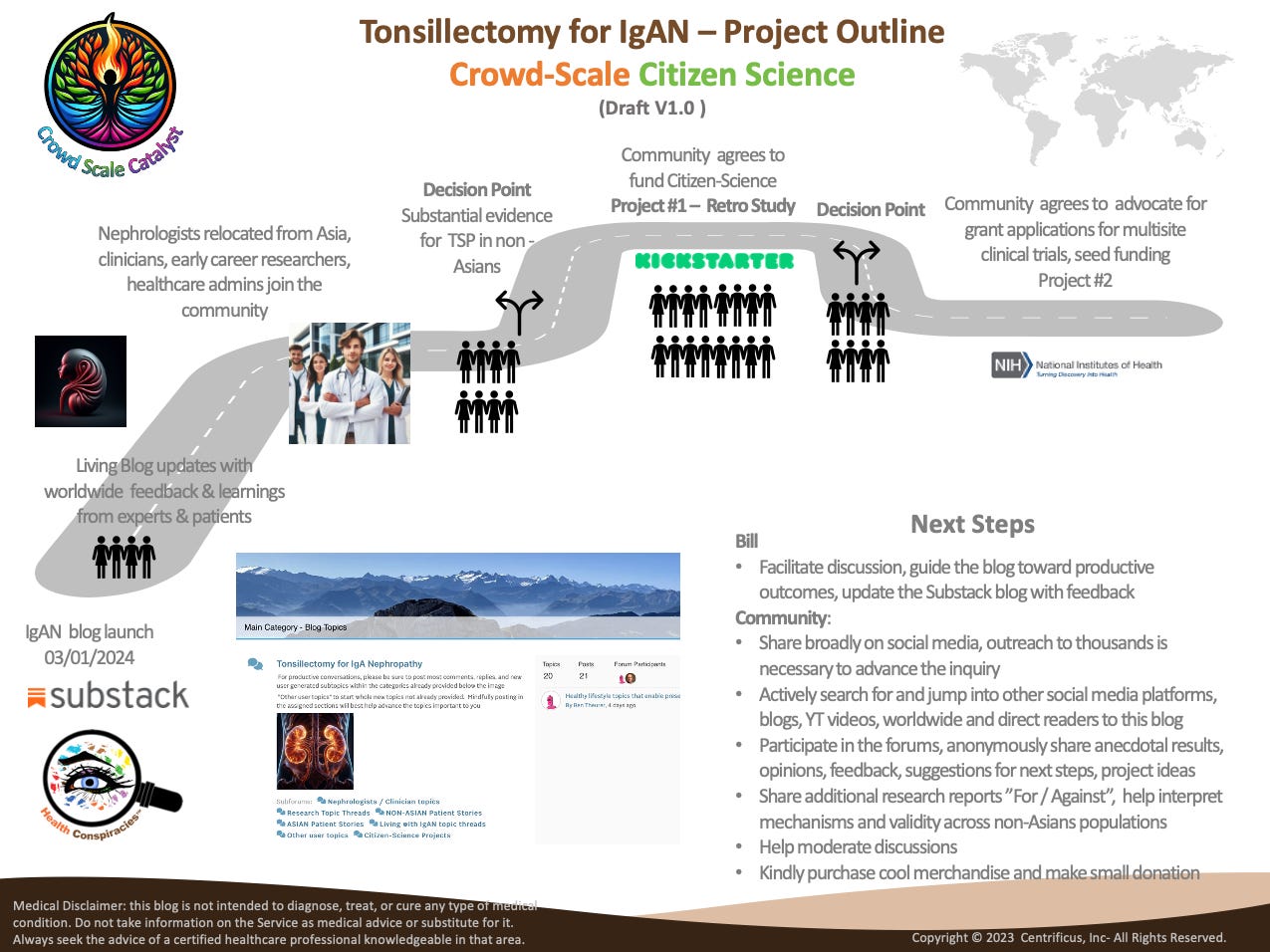
This is a signal-finding project. A responsible study could review charts, protect privacy, separate pre-diagnosis from post-diagnosis tonsillectomy, record baseline proteinuria and eGFR, document therapies, and look for trajectory changes before and after surgery. If a signal appears, it gives researchers a reason to do more. If no signal appears, that matters too. Either result is better than another decade of doing nothing. This is exactly the kind of small research projects early-career PHD researchers could take point on and later obtain research grants for.
The ideal partner may be a nephrologist trained in Japan, China, or another Asian system where tonsillectomy plus modern nephrology care has been seen repeatedly in real clinical life, now practicing in the United States or another Western country. Some of these physicians may know the data and the clinical pattern but feel constrained by local therapeutic momentum. This patient movement can give them a reason to look again.
A ground-up movement for people with IgAN
This is how patient movements begin: a disease community learns the evidence, organizes the question, and refuses to let institutional inertia define the outer boundary of care. This is about refusing to leave plausible, relatively low-risk, trajectory-altering interventions unexplored. For some patients, the answer may be no. For others, the answer may be: yes, this was worth discussing years ago.
If you have IgAN - you are your own best advocate for the two kidneys you are responsible for. If you have Asian ancestry, tonsil disease, recurrent throat infections, you can choose to bring tonsillectomy literature to your nephrology visit.
My view is direct: IgAN patients in the West have waited long enough for someone else to care about this question. If a treatment path has helped enough patients elsewhere to generate decades of serious research, and if the remaining doubt is partly because Western systems did not do the work, then patients have every right to organize, fund, pressure, and lead the next step.
Please consider sharing this blog. IgAN may exist somewhere in your extended family, workplace, school, church, or social network, and someone may need this information now.
If you are interested in the project form send me a short note.
Views expressed disclaimer
The content shared within this Substack, including all associated discussions and interactive elements, represents the personal opinions and viewpoints of the author(s) and contributors, are not the opinion of the website or Centrificus, Inc., and should not be taken as professional advice.
The views expressed here are for informational and discussion purposes only and do not constitute an endorsement or recommendation of any particular course of action.
Subscribers and participants are encouraged to consult with medical professionals and advisors for advice specific to their situation. The author(s) and the platform assume no responsibility for the actions taken or not taken by readers based on the content provided here.
Medical Disclaimer: this blog is not intended to diagnose, treat, or cure any type of medical condition. Do not take information on the Service as medical advice or substitute for it. Always seek the advice of a certified healthcare professional knowledgeable in that area.
Use at Your Own Risk, No Responsibility Disclaimer: Use of the advice and information contained herein is at your sole choice and risk. You should not rely on this information as a substitute for, nor does it replace, professional medical advice, diagnosis, or treatment.
Gifts to support the blog and Citizen Science projects are not tax deductible at this time. Your generosity helps to produce high quality content and fund crowd-scale projects that matter.
Selected bibliography
Barta, J. et al. (1996). Does tonsillectomy cause any change in long-term course of IgA nephropathy?
Feehally, J. et al. (2015). The VALIGA study and European validation of the Oxford Classification of IgAN.
Hirano, K. et al. (2019). Association Between Tonsillectomy and Outcomes in Patients With Immunoglobulin A Nephropathy.
KDIGO IgAN and IgAV Work Group. (2025). KDIGO 2025 Clinical Practice Guideline for the Management of IgA Nephropathy and IgA Vasculitis.
Li, Y. et al. (2022). Efficacy and indications of tonsillectomy in patients with IgA nephropathy: a retrospective study.
Liu, L.-l. et al. (2015). Tonsillectomy for IgA Nephropathy: A Meta-analysis.
Marumoto, H. et al. (2020). Tonsillectomy Monotherapy for IgA Nephropathy: A Case Series.
Moriyama, T. et al. (2020). Long-Term Beneficial Effects of Tonsillectomy on Patients with Immunoglobulin A Nephropathy.
Nagasawa, Y. et al. (2022). IgA Nephropathy and Oral Bacterial Species Related to Dental Caries and Periodontitis.
Piccoli, A. et al. (2010). Influence of tonsillectomy on the progression of mesangioproliferative glomerulonephritis.
Rasche, F. M. et al. (1999). Tonsillectomy does not prevent a progressive course in IgA nephropathy.
Suzuki, H. et al. (2019). Biomarkers for IgA nephropathy on the basis of multi-hit pathogenesis.
Wheeler, D. C. et al. (2021). DAPA-CKD prespecified analysis in patients with IgA nephropathy.
Yang, D. et al. (2016). The efficacy of tonsillectomy on clinical remission and relapse in patients with IgA nephropathy: a randomized controlled trial.
Zand, L. et al. (2014). Does tonsillectomy have a role in the treatment of patients with immunoglobulin A nephropathy?